Less is More
Meal Timing
Many specialists believe that having breakfast initiates the
body’s fat-burning process, while consuming 5 to 6 small
meals throughout the day helps to maintain a steady
metabolism. However, these studies have mixed results
depending on other factors like base metabolic rate and
activity level showing that the sweet spot is anywhere from
3 to 6 meals.
The Science of Caloric Intake
Lets imagine a car that knows exactly how much fuel it has
and exactly when it is going to get its next fill. Now
imagine that this car has a super computer that can adjust
it’s usage and therefore save the maximum amount of fuel
every time. This analogy works well with human digestion.
So let’s start from square one. Breakfast.
“One should not attend even the end of the world without a good breakfast.”
Among other signals, breakfast signals to the body:
- Waking up the digestive system
- Kick-starting the metabolic cycle
- Starts converting nutrients into energy for the day
So what are the parameters that control the results of this process?
Thermic Effect of Food
Caloric content and macronutrient composition of the meal
determine the energy you’ll burn during digestion,
absorption, and metabolism is called the Thermic Effect of
Food(TEF).
- So maximizing caloric content and diversifying macronutrient composition of a meal optimizes its thermic effect?
Yes, a meal with a balance of carbohydrates, fats, and
proteins can lead to a higher TEF compared to a meal with
just one type of macronutrient.
- But what does meal/day have to do with it?
The cumulative effect of TEF increases since we are
kick starting this process multiple times. Converting
calories into energy is a front-loaded energy curve.
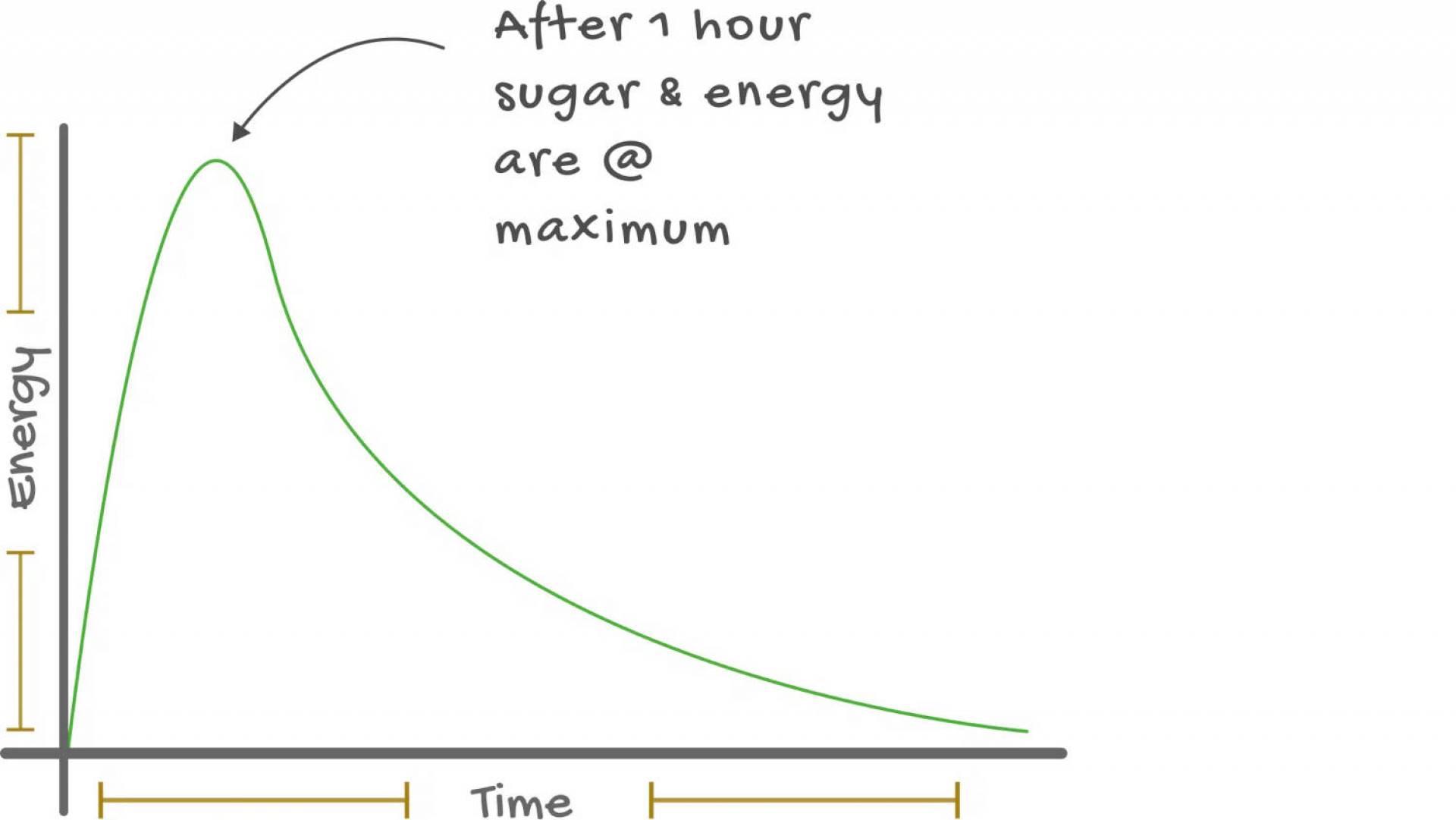
But it has a ceiling, so staggering them causes maximum
conversion at the end of the day.
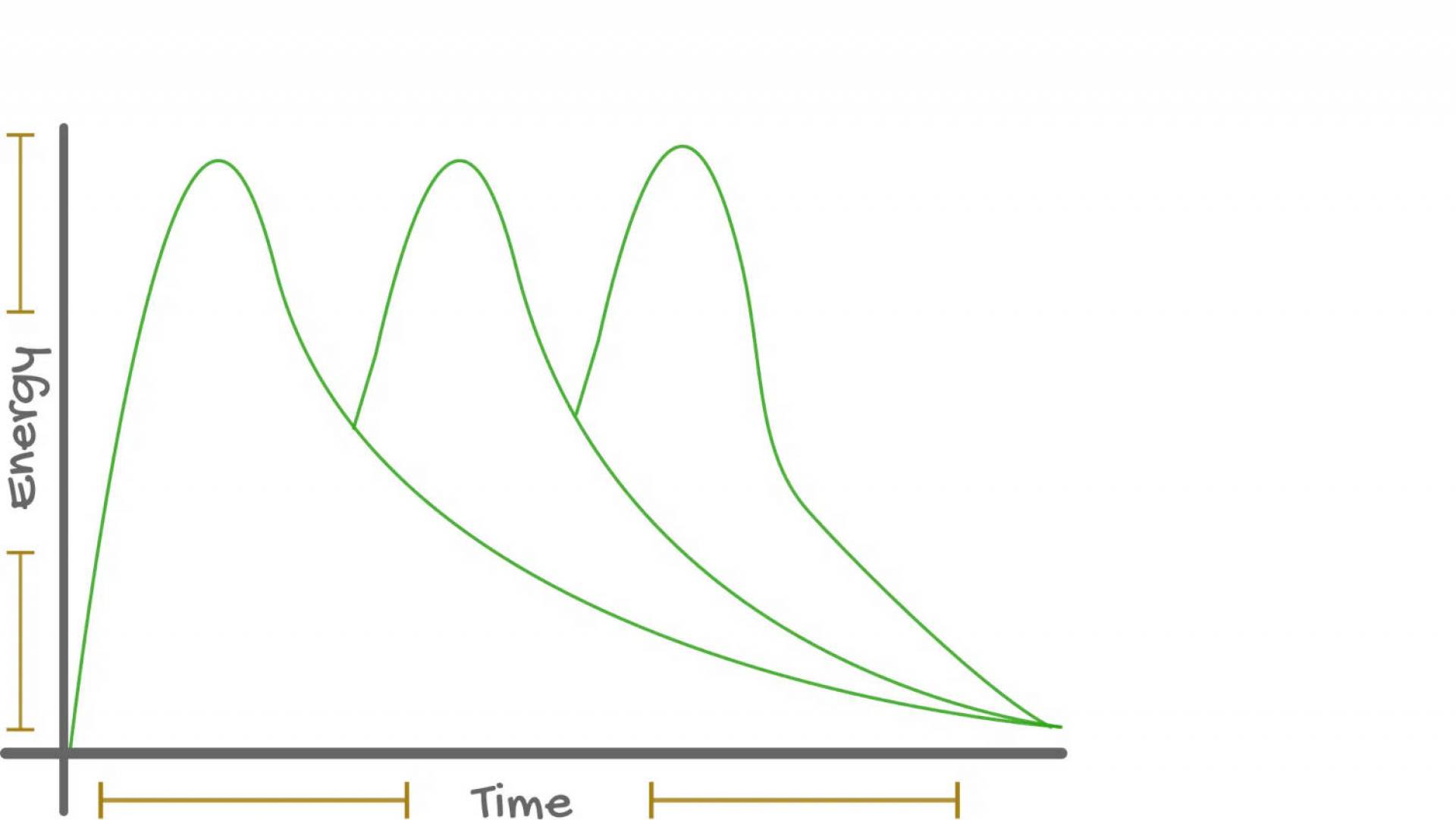
Notice that the slump now coincides with the end of the day
and sleep. This aids a deeper more restful sleep.
More Benefits to breaking up meals
Eating frequent, smaller meals may help regulate blood sugar
levels, reduce hunger, and maintain energy levels throughout
the day.
The Slump

Contrary to popular belief, the reason for the afternoon
slump is not caffeine or lack of it. Rather it is a natural
dip in blood sugar at the end of the digestion cycle. Eating
a meal just at this slump, i.e. breaking up meals can
counteract this slump or even prevent it all together in
some studies.
Reducing hunger

As many who have tried fasting will tell you: ’hunger
passes, you get used to it’. The reason is the hunger
response is not necessarily out of a famished bodily
function, rather a scheduled response to absence of food.
What this means is we can exploit this to eat less and feel
fuller throughout the day. The simple framework to do this
is laid out in the next section.
Reducing calories
Reducing calories in this case becomes more of a perfect
science rather than a hit or miss art. To make this
framework work all of these must be met in your meals:
- High fiber foods.
- Plenty of water throughout the day.
- Opt for higher lean protein.
- Diversify meal macronutrients.
Our Job At Macro Foods

Rather than add time and by extension to your meal prep
routine we introduce the convenience of figuring this out
for you at a cost conscious offering with a high degree of
diversity and least time investment.