Key Highlights
Fiber, a complex carbohydrate, is essential for a healthy and functional digestive system.
High-fiber complex carbs act as prebiotics, feeding the good bacteria in your gut.
Eating more whole grains, legumes, and vegetables can help you feel full longer and improve digestion.
Meal prepping with fiber-rich foods is a great way to support your gut health goals.
MacroFoods.ca offers delicious, high-fiber meal prep delivery in Canada, making healthy eating easy.
Dishes like Home Made Lasagna and Red Bean Soup provide gut-friendly fiber.
Introduction
When you think about carbohydrates, you might not immediately think of gut health. However, certain carbs are crucial for a healthy gut. Fiber, a type of complex carbohydrate your body can’t digest, is a true powerhouse for a healthy, functioning digestive system. If you want to improve your overall digestive health, feel full longer, and support your gut’s good bacteria, you might need more high-fiber complex carbs. With services like macrofoods.ca and meal prep delivery, it's easier than ever to incorporate these foods into your diet. Let's explore how these foods can transform your gut health for the better.
Understanding Fiber and Its Role in Gut Health

Fiber is a unique type of carbohydrate found in plant-based foods. Unlike other carbs, your body doesn't break it down for energy. Instead, it travels through your digestive system mostly intact, where it plays a vital role in maintaining your digestive health.
This amazing nutrient helps add bulk to your stool, which promotes regularity and prevents constipation. More importantly, certain types of fiber feed the beneficial gut bacteria living in your intestines. A happy, well-fed community of gut bacteria is the foundation of a healthy gut and overall wellness.
What Are High-Fiber Complex Carbs?
So, what exactly are these gut-friendly carbs? High-fiber complex carbs are found in whole, unprocessed plant foods. Think of them as the natural, nutrient-packed versions of carbohydrates. Their complex structure means your body digests them more slowly, providing a steady release of energy and keeping you feeling full.
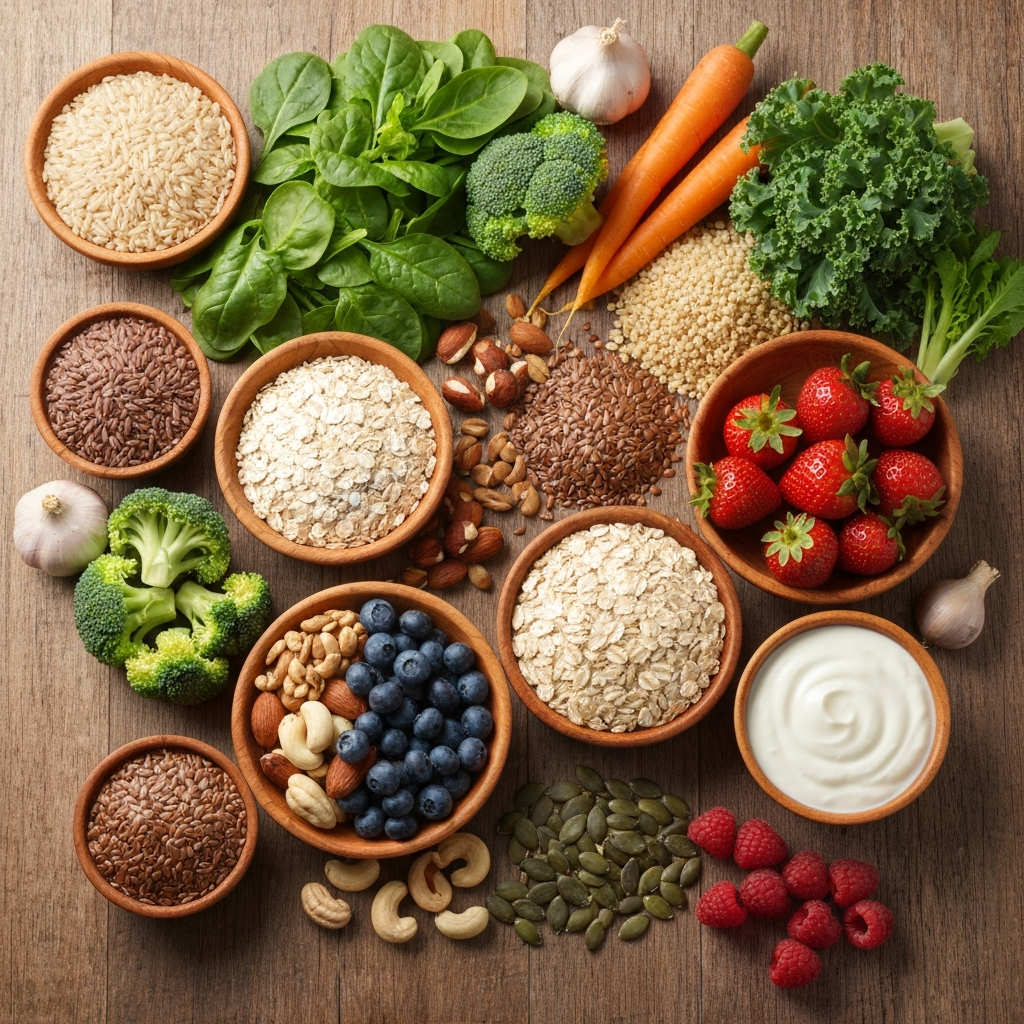
Some excellent examples include whole grains like oats, quinoa, and brown rice. Legumes such as lentils, chickpeas, and black beans are also loaded with fiber. Don't forget starchy vegetables like sweet potato and corn. These foods are not only rich in fiber but also packed with vitamins and minerals that support your entire body.
Incorporating these foods into your diet is a fantastic way to nourish your gut microbiome. The fiber they contain acts as a feast for your friendly gut bacteria, helping them thrive and keeping your digestive system in top shape.
How Fiber Supports Your Digestive System
Fiber is like a personal trainer for your digestive system. One of its main jobs is to promote regularity. Soluble fiber dissolves in water to form a gel-like substance, which can help soften stool. Insoluble fiber, on the other hand, adds bulk, helping waste move more efficiently through your digestive tract.
This process ensures healthy digestion and prevents uncomfortable issues like constipation. A well-functioning digestive system is also closely linked to a strong immune system. Since a large portion of your immune cells reside in your gut, keeping it healthy is crucial for fighting off illness.
By feeding your good gut bacteria, fiber helps maintain a healthy gut lining. This strong barrier prevents harmful substances from entering your bloodstream, further supporting your overall health and well-being.
The Connection Between Fiber, Carbs, and the Gut Microbiome
Your gut microbiome is a bustling community of trillions of microorganisms, and keeping it in a healthy balance is key. This is where the powerful trio of fiber, carbohydrates, and your gut microbiome comes into play. The beneficial gut bacteria in your digestive tract love to feast on the fiber from the complex carbohydrates you eat.
When these good bacteria break down fiber, they produce short-chain fatty acids. These compounds have numerous health benefits, including providing energy for the cells lining your colon, reducing inflammation, and strengthening your gut barrier. This process helps prevent digestive issues and promotes a thriving environment for good bacteria.
Without enough fiber from carbohydrates, the less-friendly bacteria can start to take over, leading to an imbalance that may cause bloating, gas, and other problems. Eating a diet rich in high-fiber carbs ensures your beneficial gut bacteria have the fuel they need to keep your gut happy.
Why Eating More Carbs Can Be Good for Your Gut

For years, carbs have gotten a bad rap, but it's time to set the record straight. Choosing the right kind of carbohydrates—complex carbs—is one of the best things you can do for good gut health. These foods are the primary fuel source for your friendly gut bacteria, helping them multiply and thrive.
A diet rich in complex carbs from whole foods supports overall digestive wellness by promoting regularity and reducing the risk of digestive discomfort. By focusing on these nutrient-dense options, you nourish your body and your microbiome at the same time. Now, let's clear up some common confusion about carbs.
Myths and Facts About Carbs and Digestive Wellness
It's easy to get confused about carbohydrates with all the conflicting information out there. Let's separate a few myths from the facts to help you make the best choices for your digestive wellness and gut health.
Many people believe all carbs are unhealthy, but this is a common myth. The truth is that the type of carb matters most. Refined carbs found in sugary snacks and white bread offer little nutritional value. However, complex carbs from whole foods are packed with fiber and nutrients that are essential for a healthy gut.
Here are some quick facts to remember:
Fact: Complex carbs provide sustained energy and support a healthy gut.
Myth: You must cut out all carbs to be healthy.
Fact: Fiber from carbs feeds good gut bacteria, which supports your immune system.
Myth: All high-carb foods cause weight gain. In reality, fiber-rich carbs can help with satiety.
Key Benefits of High-Fiber Complex Carbs for Satiety and Regularity
Eating high-fiber complex carbs offers some incredible health benefits, especially when it comes to feeling full and staying regular. One of the most significant advantages is improved satiety, which is the feeling of fullness and satisfaction after a meal.
Because fiber slows down digestion, it helps stabilize your blood sugar levels and prevents the sudden energy crashes that can lead to more snacking. This means you'll feel full for longer, which can help with managing your weight. Beyond satiety, fiber is the key to promoting regularity and healthy digestion.
Here are a few key benefits:
Promotes Regularity: Fiber adds bulk to stool, preventing constipation.
Increases Satiety: Helps you feel full longer, reducing overeating.
Supports Healthy Gut Bacteria: Provides food for the good bacteria in your gut.
Stabilizes Blood Sugar: Prevents sharp spikes and crashes in energy.
Fiber’s Prebiotic Power: Feeding Beneficial Gut Bacteria
Have you ever heard of prebiotics? Think of them as fertilizer for the good bacteria in your gut. Prebiotic fiber is a specific type of dietary fiber that your beneficial bacteria love to eat. It passes through the upper part of your digestive system undigested and makes its way to the colon, where it becomes a food source for your gut microbes.
This feeding process is incredibly important for your digestive health. When beneficial bacteria ferment prebiotic fiber, they produce compounds that nourish the cells of your gut lining and help maintain a healthy gut environment. This strengthens your gut's natural defenses and supports overall wellness.
By including foods rich in prebiotic fiber in your diet, you are actively helping your good gut bacteria flourish. This leads to a better balance in your microbiome, which is the foundation of a healthy gut.
Essential Foods to Include for a Healthy Gut

Now that you know how important fiber is, you might be wondering what foods to add to your plate. Focusing on a variety of plant-based foods is the best way to boost your fiber intake and support your gut health. The three superstars of a gut-friendly diet are whole grains, legumes, and vegetables.
Each of these food groups offers a unique mix of fibers and nutrients that work together to nourish your gut microbiome and strengthen your immune system. Let’s look at some specific examples from each category and explore their amazing benefits.
Whole Grains and Their Gut-Boosting Benefits
Whole grains are a fantastic source of dietary fiber and essential nutrients. Unlike refined grains, which have been stripped of their bran and germ, whole grains contain all parts of the grain. This means you get more fiber, vitamins, and minerals in every bite.
Eating whole grains like brown rice, quinoa, and steel cut oats is a great way to support your gut health. The fiber in these foods helps keep you regular and provides a hearty meal for your good gut bacteria. As these bacteria break down the fiber, they create a healthier gut environment.
Here are some top whole grains to add to your diet:
Oats: Excellent source of soluble fiber, which helps lower cholesterol.
Brown Rice: A versatile grain that provides sustained energy.
Quinoa: A complete protein packed with fiber and minerals.
Barley: Rich in a type of fiber that supports healthy gut bacteria.
Legumes and Beans: Natural Sources of Fiber
Legumes and beans are true champions when it comes to fiber content. These versatile plant foods are not only affordable and delicious but also incredibly beneficial for your digestive wellness. From lentils and chickpeas to black beans and kidney beans, the options are endless.
Adding legumes to your meals is an easy way to significantly increase your fiber intake. A comforting lentil soup or a hearty bean chili can provide a substantial portion of your daily fiber needs. This fiber helps feed your gut bacteria and promotes a feeling of fullness after you eat.
Consider including these legumes in your meals:
Lentils: Perfect for soups, stews, and salads.
Chickpeas: Great for making hummus or roasting for a crunchy snack.
Black Beans: A wonderful addition to tacos, burritos, and bowls.
Kidney Beans: MacroFoods.ca offers robust soup options like Red Bean Soup, which is naturally high in fiber.
Vegetables Packed with Prebiotic Fiber
Many vegetables are excellent sources of prebiotic fiber, the specific type that fuels your beneficial gut bacteria. By including a colorful variety of vegetables in your diet, you can ensure your gut microbiome gets the diverse nutrients it needs to thrive.
Foods like garlic, onions, and asparagus are particularly high in prebiotic fiber. Starchy vegetables such as sweet potato are also fantastic choices. Even simple additions like cherry tomatoes can contribute to your daily fiber intake and provide valuable antioxidants and vitamins.
Look for ways to add these healthy ingredients to your meals:
Sweet Potato: A delicious and nutrient-dense source of fiber.
Asparagus: Contains inulin, a powerful prebiotic fiber.
Garlic and Onions: Easy to add to almost any savory dish for a prebiotic boost.
Leeks: A milder-tasting relative of onions, also rich in prebiotics.
Sample MacroFoods.ca Menu Items Featuring High-Fiber Complex Carbs
If you want to enjoy the health benefits of high-fiber foods without the hassle of cooking, MacroFoods.ca is here to help. We make incorporating these gut-friendly foods into your meal plan simple and delicious. Our menu is designed to provide balanced and tasty meals that support your digestive health.
Enjoy the comforting, fiber-rich combination of our Home Made Lasagna or the hearty, grain-based Steak & Mushroom Risotto. These delicious meals are crafted to keep you full and satisfied while nourishing your gut. We also offer robust soup options like the Red Bean Soup, which is naturally high in fiber from legumes.
Here are a few menu items packed with high-fiber complex carbs:
MacroFoods.ca Menu Item | High-Fiber Ingredients |
|---|
Steak & Mushroom Risotto | Arborio Rice, Mushrooms |
Home Made Lasagna | Pasta, Vegetables |
Red Bean Soup | Kidney Beans, Vegetables |
Vegan Shawarma Beef | Chickpeas, Whole Grains |
Beginner’s Guide to Meal Prep for Gut Health
Starting a meal prep routine for gut health can feel like a big step, but it doesn't have to be complicated. Meal prepping is one of the most effective ways to ensure you're consistently eating nutritious, high-fiber foods that support a healthy gut. With a little planning, you can set yourself up for a week of delicious, gut-friendly meals.
This beginner's guide will walk you through everything you need to know, from the right equipment to choosing the best ingredients at the grocery store. Let's get you on the path to a healthy balance and a happier gut.
What You’ll Need to Get Started (Equipment and Supplies)
Getting the right equipment and supplies can make your meal prep experience much smoother and more enjoyable. You don't need a kitchen full of fancy gadgets, just a few key items to streamline the process and reduce your prep time.
Start with the basics. Good quality storage containers are a must for keeping your prepped meals fresh. A large cutting board and a sharp knife will make chopping vegetables much faster. A simple sheet pan is also incredibly versatile for roasting vegetables and proteins at the same time.
Here is a short list of essential equipment:
Airtight Storage Containers: To keep meals fresh and organized.
Sheet Pan: Perfect for roasting a variety of ingredients at once.
Blender: Great for making gut-friendly smoothies or creamy soups.
Steamer Basket: A gentle way to cook vegetables while preserving nutrients.
Choosing the Right Ingredients for Your Gut-Friendly Meal Prep
When you're shopping for your gut-friendly meal prep, focus on whole, unprocessed foods. Your grocery list should be full of color and variety to ensure you get a wide range of nutrients to support your microbiome. Think of building your meals around lean proteins, healthy fats, and of course, high-fiber complex carbs.
Look for a variety of plant foods, as they are the best source of fiber. Stock up on different types of whole grains, legumes, fruits, and vegetables. For healthy fats, choose options like avocados, nuts, seeds, and olive oil, which can help reduce inflammation.
Here are some key ingredients to add to your list:
Whole Grains: Quinoa, brown rice, oats, and barley.
Lean Proteins: Chicken, fish, tofu, and tempeh.
Legumes: Lentils, chickpeas, and black beans.
Healthy Fats: Olive oil, avocados, nuts, and seeds.
Step-by-Step Guide: How to Prepare High-Fiber Meals
Ready to start cooking? This step-by-step guide will simplify the meal prep process and help you create delicious, high-fiber meals that support your gut health. By following these simple steps, you can take control of your weekly meal plan and enjoy all the health benefits that come with it.
From planning your menu to batch cooking and storing your meals, we'll cover everything you need to feel confident in the kitchen. Let's begin with the most important step: planning.
Step 1: Planning Your Weekly Gut-Healthy Menu
A successful meal prep week always starts with a solid plan. Take some time to think about the meals you want to eat for the week ahead. Creating a simple meal plan helps you stay organized, save time at the grocery store, and ensure you’re eating balanced meals for your gut health.
Try to include a variety of healthy ingredients to keep things interesting. You could plan a quinoa bowl for lunch one day and a hearty lentil soup the next. Don't be afraid to mix and match proteins, grains, and vegetables. If you need inspiration, consulting a registered dietitian can be a great way to get personalized ideas.
Here's how to start planning:
Choose a few core recipes: Select 2-3 recipes for lunches and dinners.
Incorporate variety: Use different grains, proteins, and vegetables.
Plan for snacks: Include high-fiber snacks like fruit, nuts, or yogurt.
Write a grocery list: Create a detailed list based on your chosen meals.
Step 2: Shopping for High-Fiber Complex Carbs
With your meal plan and grocery list in hand, it's time to head to the store. When shopping for a healthy gut, your goal is to fill your cart with nutrient-dense, high-fiber foods. Stick to the outer aisles of the grocery store, where you'll typically find fresh produce, lean proteins, and dairy.
Focus on stocking up on a variety of whole grains and plant foods. The bulk bins are often a great place to find items like oats, quinoa, lentils, and beans at a lower cost. Reading labels is also important—choose products with whole grains listed as the first ingredient and avoid those with excessive added sugars.
Your shopping list should include:
A mix of whole grains: Brown rice, oats, barley, and quinoa.
Plenty of vegetables: Leafy greens, broccoli, sweet potatoes, and onions.
A variety of legumes: Canned or dried lentils, chickpeas, and black beans.
Fresh fruits: Berries, apples, and bananas for snacks and breakfasts.
Step 3: Easy Meal Prep Tips and Batch Cooking
Now for the fun part: cooking! Batch cooking is a meal prep game-changer. It involves preparing large quantities of individual ingredients that you can then mix and match for different meals throughout the week. This saves a significant amount of prep time on busy weekdays.
A great way to start is by cooking a large batch of a whole grain like quinoa or brown rice. While that's cooking, you can roast a variety of vegetables on a sheet pan. Simply toss them with a little olive oil and your favorite seasonings. You can also cook your lean proteins at the same time.
Here are some easy batch cooking ideas:
Cook a large pot of grains: Make enough quinoa or rice for several days.
Roast vegetables on a sheet pan: Broccoli, bell peppers, and sweet potatoes are great options.
Prepare proteins: Grill or bake chicken breasts or tofu.
Wash and chop produce: Have fresh veggies ready for salads or snacks.
Step 4: Storing and Reheating Meals for Best Results
Properly storing your prepped meals is crucial for maintaining freshness, flavor, and food safety. Using airtight containers will keep your food tasting great all week long. It's a good idea to portion your meals into individual containers right after cooking.
Labeling your containers with the contents and date can help you keep track of your meal plan. Most cooked meals will last for about 3-4 days in the refrigerator. For longer storage, consider freezing portions of soups, stews, or cooked grains.
Follow these tips for storing and reheating:
Use airtight containers: To prevent food from drying out and absorbing odors.
Cool food before storing: Let meals cool to room temperature before refrigerating.
Store sauces separately: Keep dressings and sauces separate to prevent sogginess.
Reheat thoroughly: Make sure food is heated to a safe internal temperature before eating.
Conclusion
In summary, fiber is essential for maintaining a healthy gut, and incorporating more high-fiber complex carbohydrates into your diet is a key step in achieving digestive wellness. By focusing on whole grains, legumes, and fiber-rich vegetables, you can support beneficial gut bacteria and promote regularity. MacroFoods.ca offers delicious menu options like their Home Made Lasagna, hearty Steak & Mushroom Risotto, and nourishing Red Bean Soup, all designed to make it easy for you to enjoy fiber-packed meals. With convenient delivery services across Ontario, you can ensure that your dining experience is not only tasty but also beneficial for your gut health. Start exploring the power of fiber today and give your digestive system the support it deserves! Sign up today!
Frequently Asked Questions
What are some easy meal prep ideas for gut health?
For easy gut health meal prep, try making a large batch of quinoa to use in salads and bowls. You can also prepare overnight oats with chia seeds and berries for a quick breakfast. Roasting a sheet pan of colorful vegetables like sweet potatoes and broccoli is another simple way to support a healthy gut.
How do I make a simple meal plan for sensitive digestion?
For a sensitive digestion meal plan, focus on easily digestible, low-FODMAP healthy ingredients. Start with smaller, more frequent meals. Include foods like oats, brown rice, lean proteins, and well-cooked vegetables. Consulting a registered dietitian can help you create a personalized plan to manage your gut health effectively.
Which MacroFoods.ca menu items are best for high-fiber meals?
MacroFoods.ca offers several high-fiber meals perfect for gut health. Try our Steak & Mushroom Risotto, made with hearty grains, or the Home Made Lasagna. For a legume-packed option, the Red Bean Soup is an excellent choice that is naturally rich in fiber to support your digestive system.
Where can I find MacroFoods.ca meal prep services in Ontario?
You can easily get MacroFoods.ca meal prep delivered right to your door across Ontario. Skip the grocery store and enjoy chef-prepared, gut-friendly meals delivered to cities like Toronto, Ottawa, Mississauga, and many more. Simply visit our website to see all available delivery locations and start your order.