Key Highlights
Emotional eating is often triggered by stress, which raises cortisol levels and causes cravings for unhealthy comfort foods.
Distinguishing between emotional hunger and physical hunger is the first step toward breaking the cycle of this eating disorder.
MacroFoods.ca offers chef-prepared, healthy meals designed to stabilize blood sugar and mood, reducing the urge for impulse eating.
Having balanced, ready-to-eat meals simplifies meal prepping and ensures you have nourishing options available during stressful times.
Incorporating mindful eating techniques can help you regain control over your food choices and build a healthier relationship with food.
Introduction
Do you ever get the urge to eat when you are stressed, sad, or bored? Many people deal with this. A lot of us eat not because we are hungry in our body but because of how we feel. This is called emotional eating. When you use food to feel better, it can be hard on your health and your mind. The good news is you can get out of this cycle. One way is to learn what makes you want to eat this way. You can also keep healthy food nearby. This helps you with your food choices. MacroFoods.ca gives you a strong way to do this. The site has easy meals that are good for you. They help you deal with cravings and choose food when you really feel physical hunger. This can help you be mindful of what and why you eat.
Understanding Emotional Eating: Patterns and Triggers
 Emotional eating is when you turn to food because of feelings, and not because you have real physical hunger. When stress or hard feelings come up, you may feel an urge to open the fridge. You might eat after feeling anxiety, loneliness, or even after happy moments and celebrations.
It is important to know why you eat when you do. Triggers could be some places, people, or feelings that push you to look for food to feel better. If you know these triggers, you can work on ways to cope that do not involve eating. Now, let's talk about how to tell the difference between emotional eating and physical hunger. We will also go over some things that often trigger emotional eating.
Differentiating Emotional Hunger from Physical Hunger
Learning to spot the difference between emotional eating and physical hunger is important if you want to stop relying on food for comfort. Physical hunger comes on slowly. You can feel it build up over time, and it can be eased by many types of food. Emotional hunger shows up quickly and feels urgent. It usually makes you want a certain kind of comfort food, like pizza or ice cream. This idea is key to intuitive eating. Here, you learn to listen to what the body needs for real.
When you eat because you are physically hungry, you stop when you feel full. But emotional eating might make you eat more than you need. It can lead to eating too much, which often causes guilt or shame after. Emotional hunger is not felt by a growling tummy but by a craving that won’t leave your mind.
If you want to bring mindful eating into your day, pause for a moment when you feel a craving. Ask yourself if you are truly hungry, or if you are trying to help an emotion go away. This moment of checking with yourself helps you know the difference and lets you make a better choice about food. Having meals ready can help you feed your real hunger with healthy food instead of giving in to emotional eating.
Common Reasons Canadians Turn to Food for Comfort
Lots of people eat to feel better, and the reasons for this can be hard to figure out. The need to eat comfort food may be deep inside us. Sometimes, you want food because you have tough feelings. Food can take your mind off things for a short time or help you feel less lonely or bored. Some of these habits start when you are young, especially if food was given as a treat or to help make you feel better.
The way you use food in this way can be tough to stop. These habits connect to our feelings. Some types of comfort food also bring back memories and make you feel safe, so you may want the food when you get stressed. Issues about body image may also make things worse. People with concerns about body image may try not to eat, but this can lead to overeating for comfort.
There are common triggers that make people want comfort food:
High-Stress Levels: Stress over time raises cortisol. That is a hormone that makes you want fat and sweet foods.
Difficult Emotions: You may eat to block or quiet feelings. This can include anxiety, sadness, anger, or loneliness.
Boredom or Emptiness: Food can fill up time and help you not think about feeling empty.
Social Influences: Eating with other people can sometimes make you eat too much because of pressure or nerves.
The Impact of Emotional Eating on Health and Wellbeing
 Turning to food when you feel emotions like stress can have a big impact on your body and mind. At first, emotional eating may seem to help, but it does not fix what is really going on. Often, people feel guilty after eating for comfort. That can make them feel less in control, and this pattern can hurt their sense of wellbeing.
With time, emotional eating can change how you think about food and how you feel about your body. If you keep picking foods that are not good for you, you might not get the good nutrition that you need. This can lower your energy, affect your mood, and make it harder for you to stay healthy in the future. Knowing how emotional eating can do this is key if you want to find a better way to cope when life gets tough.
Short- and Long-Term Effects on Mental and Physical Health
In the short term, emotional eating can help you get away from difficult feelings for a while. But after you do it, you may feel regret and guilt. This can make your mood drop and stress go up. Then you might feel a bigger need for comfort, so you keep doing things like binge eating. This is also tough on your body and can cause stomach problems and make you feel tired.
In the long run, the effects can be much more serious. If you keep eating lots of high-calorie and low-nutrient foods, you can start to gain a lot of weight. This weight gain can also lead to other health issues. It doesn’t just hurt your body—it can also make you feel bad about yourself and lead to sadness or depression. In the end, both your mind and body may suffer.
There is a clear link between stress and eating habits. If you do not have good ways to deal with stress, it is easy to fall into the habit of emotional eating. Learning different ways to handle stress, and planning healthy meals ahead with meal prep, can break this pattern. This helps keep both your mental and physical health in a good place.
Recognizing the Emotional Eating Cycle
The emotional eating cycle can be tough to break. It often starts when you face something bad that makes you want to eat for comfort. When you eat, it helps for a little while. Soon, though, you start to feel bad about it.
This cycle makes you think the only way to deal with your feelings is to eat food. As you keep doing it, it gets harder to build good eating habits. You may feel that you have no power over what you want to eat. You also may blame yourself for not having enough control. This makes you feel even more upset, causing the pattern to start again. It helps to spot this cycle so you can start working to change it.
Usually, the emotional eating cycle looks like this:
A Stressful Trigger: You begin to feel angry, bored, or anxious.
An Urgent Craving: You get a strong need to eat, especially food that is not good for you.
Mindless Eating: You eat fast, ignore how full you feel, and don’t really enjoy the food.
Negative Feelings: You feel guilt, regret, or shame. This can start the cycle all over again.
Changing your way of eating, like having regular meals, can help break the cycle. It can help keep your mood and energy steady, making it easier to take care of your eating habits.
The Science Behind Emotional Eating and Stress
 There is a reason within your body why you want some foods when you are under stress. It's not just about willpower. Your hormones have a big part in this. When you be stressed for a long time, your body makes hormones. These can make you feel more hungry and can make you want high-sugar and high-fat foods.
Knowing this, you can get more power over what you eat. By making better food choices, you can help control these hormones. This will help you lower your cravings and manage emotional eating better. Let's talk about how stress works in your body and why comfort foods can be too hard to say no to.
How Stress Affects Hormones and Cravings
When you are stressed, the adrenal glands in your body release cortisol. If it's just for a short time, cortisol helps deal with stress. But when you stay stressed for a long time, that hormone stays too high. High cortisol levels make you feel more hungry. They cause cravings for foods that are sweet or full of fat. These foods give you quick energy and a good feeling.
This happens because the body goes into survival mode. When you are in this mode, the body slows down its metabolism. It does this to save energy. It also makes you want to eat more, so you may have problems with blood sugar. This can lead to weight gain over the years. So, it feels hard to choose the right food when you are dealing with a lot.
Having a meal prep plan to handle emotional eating is a good idea. If you plan your meals ahead of time, you can put enough protein, fiber, and healthy fats in your food. With the right balance, your blood sugar is steady, and your cortisol levels do not rise too much. This lowers the chance of cravings when you feel stress. It helps you get control over your eating habits and your food choices.
Why Comfort Foods Seem Irresistible During Emotional Lows
Comfort foods can be hard to resist, especially when you feel down. The high sugar and fat in foods like pizza, ice cream, or cakes can set off a real change in the brain. These foods make the brain’s reward center light up. This brings you a short burst of joy and helps calm your nerves. It is a quick way to step away from whatever is making you upset.
Your brain starts to link these foods to feeling better. The next time you feel sad or stressed, the craving seems even stronger. You start to think you cannot feel better without that tasty snack. Charles Spence, a top researcher, says comfort foods feel good because of the memories you have with them. If these foods remind you of happy times or fun with people you like, you want them more when you feel low.
Here’s why you crave comfort foods so much:
Brain Chemistry: These foods can give you a brief rush of energy, and they help to lift your mood for a short time.
Emotional Association: You might tie these foods to good times in your life, such as with family or friends.
Blood Sugar Fluctuation: When you eat high-sugar foods, your blood sugar levels go up fast. This feels good at first, but then your blood sugar drops, which often makes you feel worse.
Blood sugar plays a key role in how these foods affect you. It is tricky because you may feel good for a short while.
MacroFoods.ca’s Approach to Supporting Emotional Wellness
 MacroFoods.ca gives you a simple and easy way to care for your emotional wellness with good food. They know that what you eat changes how you feel day to day. With balanced meals that are tasty and quick to have, you can stop emotional eating and start to build new habits that are better for you.
Having good food that helps keep your mood and energy from going up and down saves you from guessing what you need to eat each day. This can make it easier to build healthy habits without worrying about cooking or planning what to make. You will see how their way of thinking and important nutrients help you every step of the way.
Philosophy of Balanced, Chef-Prepared Meals
At MacroFoods.ca, they believe good food can help you deal with stress in your life. Their meals are made by both dietitians and chefs who know a lot about food and why people eat when they feel bad. They use whole foods and the right nutrients to make balanced dishes. These meals are meant to look after your body and mind. This plan helps control hormones like cortisol and stop big hunger that can make you reach for bad food choices.
They do not follow strict diets at MacroFoods.ca. Their goal is to cook meals that are tasty and feel satisfying while giving you just what your body needs. The meals they make have the right calories and nutrition for you. This helps you to keep your energy up during the day and helps you manage stress better. In this way, it's much easier to have good nutrition without giving up on flavor or ease.
No matter if you want a fast lunch for work or something easy for dinner at home, every meal from MacroFoods.ca is a good choice for helping you build a better way of eating. It shows that sticking to good nutrition can be simple, fun, and help with your emotional eating, too.
Key Nutrients That Help Curb Cravings and Stabilize Mood
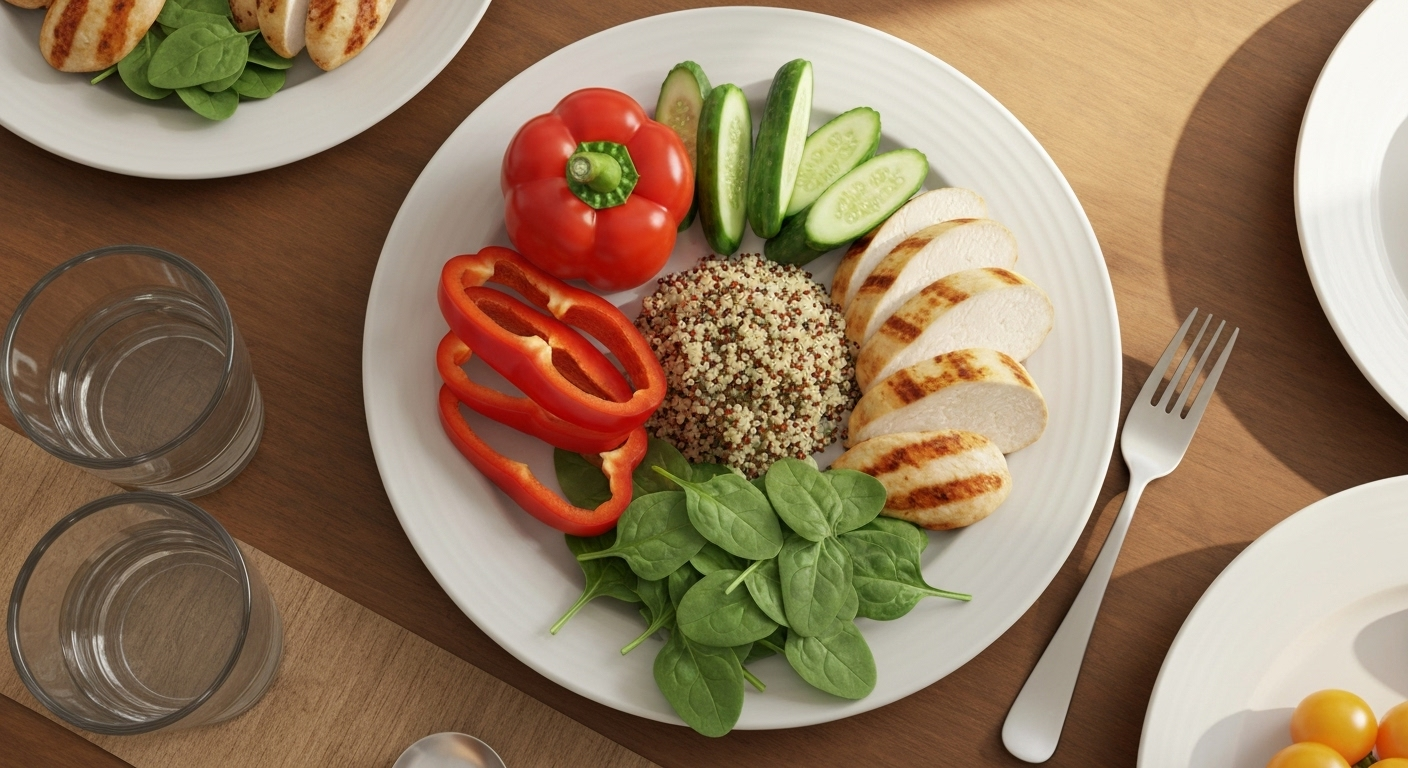
Certain nutrients are particularly effective at stabilizing mood and reducing the cravings associated with emotional eating. Protein helps you feel full and supports the production of neurotransmitters like serotonin, which promotes feelings of calm. Healthy fats, like those found in olive oil and salmon, are essential for brain health and can help regulate mood.
Fiber from whole grains and leafy greens is also crucial. It slows digestion, which helps prevent sharp spikes and crashes in blood sugar levels that can trigger cravings and irritability. Including these nutrients in your diet gives your body the tools it needs to manage stress effectively. For example, a dish like Steak and Mushroom Risotto provides both protein and nutrients from mushrooms that help you feel grounded.
MacroFoods.ca meals are designed to be rich in these key nutrients.
Nutrient | How It Helps | Foods |
|---|
Protein | Promotes fullness and aids in serotonin production for mood stabilization. | Chicken, Beef, Fish, Turkey |
Healthy Fats | Supports brain health and helps slow digestion to prevent sugar spikes. | Olive Oil, Salmon, Nuts |
Fiber | Keeps you feeling full longer and helps maintain stable blood sugar levels. | Whole Grains, Leafy Greens, Vegetables |
Magnesium | Helps reduce stress and anxiety, promoting a sense of calm. | Spinach, Mushrooms, Quinoa |
Easy Meal Prep Strategies to Prevent Emotional Eating
One of the best ways to handle emotional eating is to keep healthy food ready. Meal prep helps you so you don’t have to think about what to eat when you feel down. It’s easy to pick good food over snacks you want in the moment. When a healthy meal is as easy to get as junk food, you will most likely pick the better option.
You can bring meal prep into your daily life without making it hard. With the best plan, you can build a pattern that lasts and fits your healthy eating goals. Let’s see how MacroFoods.ca can help make this simple. You can find the best way for the habits to be in your life for good.
How MacroFoods.ca Simplifies Healthy Meal Planning
Meal planning can be hard when you do not have much time or energy. MacroFoods.ca makes things easy for you. It sends healthy meals that are ready to eat right to your home. This is a good choice for stopping emotional eating, because you always have healthy food nearby when you feel hungry or get a craving.
Meal prep helps to prevent emotional eating. When you feel stress, you do not have to think about what to make. You do not need to order takeout that is not good for you. You can just heat up a tasty, chef-made dish like Homemade Lasagna or Chicken Alfredo. Having a healthy meal ready will help you say no to other food that is not good for you.
You get many meals to pick from, so you can always find something you like that also helps you meet your health goals. The service is simple to use, whether you are making your first purchase or setting up your deliveries. This makes it easy to stick with good eating habits and enjoy healthy meals every day.
Tips for Creating a Sustainable Meal Prep Routine
Creating the habit of meal prepping can really help you in the long run. The aim is to add healthy eating into your life without making it a problem. It can be good to make a small start. Plan a few regular meals for the week first. As you get used to it, you can add more.
Staying steady with your routine matters more than trying to be perfect. Do not feel bad if you cannot prep every meal. Being ready with some meals takes the stress away on busy days. It is also good to change up your food choices, which can keep you interested and help you stick with different diets. It makes you want to keep going even when parts of our work or personal life get distracting.
Here are some things you can do to help you make meal prepping easier:
Set a Schedule: Pick a certain day and time each week to plan your meals or put in your MacroFoods.ca order.
Keep it Simple: It is really not a must to make hard recipes. Focus on making balanced and easy regular meals you like.
Have Healthy Snacks Ready: Get snacks made ahead, like fresh cut fruit or vegetables, so you have healthy options.
Be Flexible: If your plan does not go the way you wanted, do not get upset. Just pick back up with your next meal.
Use these steps so you can see your food choices fit into different diets and keep things smooth in your every day life.
Healthy Comfort Foods: Nourishment Without Guilt
Who says you can't have healthy food that feels good to eat? There are some warm and filling meals that give you comfort and still be good for you. You just need to look for dishes with fresh and good ingredients that make you feel strong. The right meal can help you feel better inside and also help your body.
With easy comfort food makeovers, there is a way to eat the food you like and stick to your health goals. MacroFoods.ca is great at making meals like this. They show people you can have tasty food and feel good about what you eat.
Favorite MacroFoods.ca Dishes for Satisfying Cravings
When you get a craving for comfort food, it helps to have a healthy and tasty choice on hand. MacroFoods.ca brings many meals that are just right for these times. You can have the comfort you want and not worry about eating unhealthy stuff. These meals are made to be both good for you and full of flavor. They are some of the best healthy comfort foods to add to your meal prep.
You can enjoy a rich, tasty meal with no stress from cooking and feel good afterward. A dish like Steak and Mushroom Risotto has a creamy texture and lots of protein to keep your mood steady. If you like vegetarian comfort food recipes, there are choices with sweet potato or with a warm tomato basil sauce. These have that classic comfort feeling you look for.
Here are a few top picks that really satisfy:
Buffalo Chicken Mac & Cheese: A healthier version of an old favorite, with creamy comfort.
Homemade Lasagna: Full of flavor and just as great as you remember.
Steak and Mushroom Risotto: Packed with protein and taste, it helps keep your mood steady.
Coconut Lime Chicken: Full of fiber, with good crunch and a fresh flavor.
Choosing the Right Meals for Emotional Balance
Choosing meals that keep you feeling good means looking for certain nutrients in your food. A good meal will have complex carbohydrates, lean protein, and healthy fats. This mix helps keep your blood sugar steady. When your blood sugar stays steady, you are less likely to feel tired or get cravings that make you moody.
It is a good idea to pick food choices that are full of whole grains, lean proteins like chicken or fish, and plenty of vegetables. These foods give you energy that lasts. They also have vitamins and minerals that are good for your mind and help with your mood. For example, eating salmon gives you healthy fats called omega-3s, which can help your mental health.
When you pick what to eat, think about how the food will make you feel after the meal. You want to eat foods that make you feel full of energy and happy, not tired or regretful. By choosing meals that are good for your emotions, you make it easier for yourself to have a better, stronger relationship with food.
Mindful Eating Techniques with Ready-to-Eat Meals
Even with ready-to-eat meals, it matters how you eat, not just what is on your plate. Mindful eating means you give your meal your full attention. This way, you turn eating from just another task into a way to really feed your body on purpose. You may find more comfort in your food, and it can help you know when you are full or hungry.
When you use mindful eating, you have a strong tool to fight emotional eating. By staying in the moment and focusing on what is in front of you, you can stop the habit of eating just to feel better. Let’s look at how you can use mindful eating, full attention, and even tackle emotional eating, no matter how busy your day gets.
Practical Steps for Practicing Mindfulness at Mealtime
Adding mindful eating to your daily life doesn’t need much time. It just needs you to see eating in a new way. You can eat with full attention even if you pick up a fast meal from MacroFoods.ca. To get started, make sure the place where you eat is calm. Step away from your desk, turn off the TV, and put your phone out of sight.
Before you eat, stop and look at your food. Notice the bright colors, how it smells, and what it feels like. Doing this helps you get closer to your meal. It can help your body get ready for food. When you eat, chew slow and taste every bite. Focus on the way your food tastes and how your body is. You can add this mindful eating to your meal prep ideas. Set some time for eating your planned meals so that you have no distractions.
Here are a few ways to start:
Eliminate Distractions: Sit at a table while you eat. Don’t use a screen.
Engage Your Senses: Take the time to see, smell, and taste your food.
Pace Yourself: Set your fork down after each bite. This will help you slow down and check if you are full.
Using Meal Structure to Avoid Mindless Snacking
Keeping a steady meal routine is a great way to stop mindless snacking. When you have regular meals that are balanced, you keep your blood sugar levels steady. This makes it less likely for you to feel very hungry and reach for a bag of chips or other snacks that are not good for you. Having a meal routine takes away the stress of thinking about what or when you will eat.
Planning your meals ahead of time can help lower the urge to snack when you feel stressed. Well-timed meals make sure your body has a steady flow of energy. This helps you avoid those sudden cravings that can come from stress or when you get tired. Having a clear plan for your food choices means you do not have to make quick, emotional decisions about food.
If you use a service like MacroFoods.ca, you get an easy and regular meal setup. Eating good meals for breakfast, lunch, and dinner leaves less room for snacking between meals. This way, your brain and your body learn to expect food at set times each day. Over time, this helps cut down on those random cravings and helps you make better food choices.
Real-Life Transformations: Success Stories from Across Canada
The path to get past emotional eating is different for everyone. But you are not the only one with this challenge. All over Canada, people are finding success by changing how they feel about food. Their stories can help others feel hopeful too. The change in their lives shows how good, balanced nutrition and easy meal solutions make a big difference.
These stories show that people can really make changes that last. When they choose to eat healthy meals and take care of their bodies, they can leave behind habits that do not help them. Many are building a better and happier way of living. So now, let's see a few of these journeys.
Personal Journeys of Overcoming Emotional Eating
Many people in Canada have found a way to deal with emotional eating by making a small change in their daily life. Take Sarah from Toronto as an example. She used to eat lots of unhealthy snacks after long days at work. But when she started ordering ready-to-eat meals from MacroFoods.ca, her blood sugar stayed steady. That helped her stop craving snacks when feeling stressed. This was a good choice that made her feel better and gave her more energy.
David is a student in Vancouver. He used to drink a lot of caffeine and eat sugary foods while studying. That did not help his focus much. Later, he tried high-protein meals and saw he felt energy to work, and he did not get any big ups and downs. Easy meal prep ideas, like keeping pre-made meals at home, helped him do better in his schoolwork and feel less stressed.
Their stories show you can beat emotional eating and feel good about your food choices.
They found a way that works for their busy life.
They let go of bad habits for regular meals that made them feel good.
They saw their physical health and their mood both get better.
They felt strong because they took charge of what they eat.
Expert Insights on Lasting Behavior Change
Experts say that changing your eating habits is about more than just going on a diet. It's important to deal with the feelings that cause you to eat and to build a helpful environment around you. A study in Eating Behaviors found that mindfulness meditation really helps people cut down on binge eating and emotional eating. This shows that you need to face your feelings instead of trying to cover them up with food.
Nutrition experts say having a balanced diet is key for your health in the long run. It helps control hormones and keeps you safe from health problems that last a long time. Living a healthy lifestyle means you should get regular exercise, sleep well, and find ways to manage stress. This mix of habits sets you up to handle emotional eating. The goal is not to cut out foods, but to take care of your body and your mind.
Healing from an eating disorder takes time and involves learning new ways to deal with stress. Services like MacroFoods.ca can help you on this journey by taking away the worry of cooking and making sure you always have healthy food on hand. This support gives you a better chance to focus on making those new healthy habits stick for good.
Conclusion
To sum up, knowing about and dealing with emotional eating is important for your mind and body. When you notice the patterns and what sets you off, you can take steps to handle this. MacroFoods.ca gives you a smart way to eat with chef-prepared meals. These meals are not only comforting but good for you, too. They help you stop the cycle of unhealthy eating habits. The food is made to help with cravings and to give your body what it needs for a steady mood. Don’t let stress tell you what or when to eat. You can take back control and feel better about your food choices. Try healthy meal options from us that support mindful eating and your emotional health. Sign up today. Begin your journey to better eating habits and health now.
Frequently Asked Questions
Can meal prepping with MacroFoods.ca really help reduce emotional eating?
Yes. Meal prepping with MacroFoods.ca takes away the worry of choosing what to eat when you feel tired or overwhelmed. When you have healthy meals ready, it is much easier to feed your body the right way. You do not have to reach for unhealthy snacks. This helps you break old eating habits.
What should I look for in a balanced meal to support my emotional health?
Look for a meal that has lean protein, whole grains for complex carbs, and healthy fats. This mix will give you good nutrition. It helps keep your blood sugar steady. It can also help keep your mood in check. This makes it less likely for you to crave food when stressed and can be good for your emotional health.
Are there specific tips for managing stress-related cravings with healthy meals?
Yes. Plan your meals early so you always have something good and healthy to eat. Pick foods that fill you up and have vitamins but still make you feel nice. You can stop cravings and not feel bad about what you eat. This can help how you feel about your body and take away the control that stress has over your food choices.