Key Highlights
Discover why some seemingly healthy foods can secretly cause uncomfortable bloating.
Learn about common culprits like cruciferous vegetables, legumes, and high-sodium seasonings.
Understand how FODMAPs and fermentation in your digestive system contribute to gas and discomfort.
Find out how a balanced meal plan can significantly improve your gut health and reduce bloating.
Explore how MacroFoods.ca makes it easy to enjoy delicious, bloat-free meals.
Get tips on building an anti-bloating weekly menu with chef-prepared options.
Introduction
Have you ever finished a "healthy" meal only to feel puffy and uncomfortable? You're not alone. Many of us try to eat well, but still experience bloating. The surprising truth is that many healthy foods, despite their numerous health benefits, can be difficult on your digestive tract. Understanding which foods are the secret culprits is the first step toward reclaiming your digestive comfort and feeling your best after every meal. Let's explore why this happens and what you can do about it. For more information, visit macrofoods.ca and check out your local health food store in Waterloo, Ontario.
Understanding Bloating: Why “Healthy” Foods Can Still Cause Discomfort
can i have an image of a bloated stomach. the person should be holding their stomach and their face should look uncomfortable.

It can be confusing when the healthy foods you choose lead to digestive issues. The common cause often lies within your digestive system and how it interacts with certain compounds in food. Your unique gut bacteria play a huge role in breaking down what you eat, and sometimes this process creates excess gas and bloating.
Meal prep services can support gut health by providing perfectly portioned, balanced meals. This eliminates the guesswork and helps you avoid trigger ingredients that cause discomfort. Below, we'll explain what bloating is and what symptoms to watch for.
What Is Bloating and How Does It Affect Digestion?
So, what exactly is bloating? It's that feeling of fullness, pressure, or tightness in your abdomen. For many, it results in a distended stomach, which is a normal response after eating. However, when it's accompanied by discomfort, it can disrupt your day. This feeling is often caused by gas building up in your digestive tract.
This gas comes from two main sources: air you swallow while eating or drinking too quickly, and the natural fermentation of carbohydrates by your gut bacteria. While fermentation is a normal part of digestion, certain foods can cause it to go into overdrive, leading to uncomfortable digestive symptoms.
When your digestion is off, it can affect everything from your energy levels to your bowel movements. Consistent bloating can be a sign that your gut health needs more support. A balanced diet designed to be gentle on your system, like one provided by a meal prep service, helps regulate your digestive tract and reduce these issues.
Common Symptoms of Bloating You Might Overlook
Bloating isn't just about a swollen tummy. There are several other digestive symptoms you might be experiencing without realizing they're connected. Recognizing these signs is key to identifying your triggers and finding relief from digestive issues.
Some common symptoms that often accompany bloating include:
A feeling of pressure or tightness in your abdomen
Noticeable swelling or a distended stomach
Excessive gas or belching
Stomach cramps or pain
A feeling of being "puffed-up" due to water retention
These symptoms can sometimes be linked to food intolerances or underlying conditions like celiac disease, where foods containing gluten trigger an immune response. Paying attention to these signs can help you pinpoint which foods to avoid. For example, high-sodium foods are a common cause of retaining excess water, leading to a bloated feeling.
Sneaky Culprits: 5 Healthy Foods That Secretly Cause Bloating
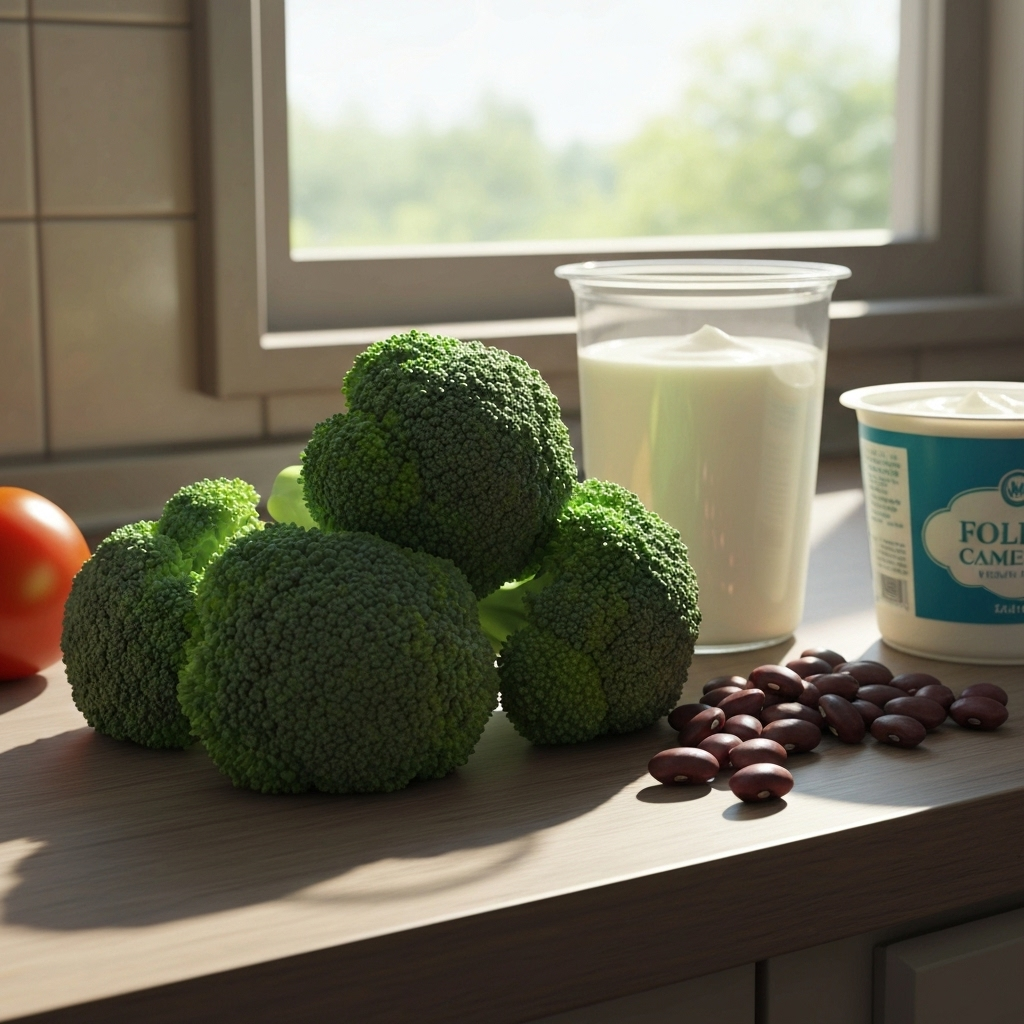
You fill your plate with healthy foods, but the battle with bloating continues. The issue may be with specific types of foods that, while nutritious, are known to cause gas and discomfort for many people. These sneaky culprits include cruciferous vegetables, legumes, certain dairy products, and items with hidden sugar alcohols or high sodium.
Identifying these triggers is the first step to feeling better. By learning which foods to limit, you can build a diet that nourishes you without the unwanted side effects. Let's look at five common categories of healthy foods that could be causing your bloating.
Cruciferous Vegetables: Broccoli, Cauliflower & Cabbage
Cruciferous vegetables like broccoli, cauliflower, cabbage, and Brussels sprouts are packed with vitamins and nutrients. However, they are also a common cause of bloating. Why does this happen? These vegetables contain a complex sugar called raffinose, which the human body can't break down easily.
Furthermore, their high fiber content can lead to digestive issues, especially if your body isn't used to it. When the bacteria in your gut work to break down this fiber and raffinose, they produce gas as a byproduct, leading to that familiar bloated feeling. Other vegetables in this family, like bok choy, can have the same effect.
The good news is you don't have to avoid them completely. Cooking these vegetables can help break down some of the complex fibers, making them easier to digest. Steaming or roasting broccoli and Brussels sprouts can reduce their bloating potential while still providing valuable nutrients.
Legumes: Beans, Lentils & Chickpeas
Legumes, including beans, lentils, and chickpeas, are celebrated for being excellent sources of plant-based protein and fiber. A hearty lentil soup can be a comforting and nutritious meal. However, their high fiber content is precisely what can cause bloating in some individuals.
These foods are rich in soluble fiber and oligosaccharides, a type of carbohydrate that can be difficult for the digestive tract to process. As these undigested carbs reach your large intestine, the bacteria there begin to ferment them, producing gas that leads to bloating and discomfort.
If you love legumes but they don't love you back, try introducing them into your diet slowly to allow your system to adapt. Rinsing canned beans thoroughly before use can also help wash away some of the gas-causing compounds. For many, limiting portion sizes is enough to enjoy the benefits without the bloat.
Sugar Alcohols: Sorbitol, Mannitol & Packaged Snacks
Have you noticed sugar-free gums, candies, and packaged snacks that promise fewer calories? Many of these products use sugar alcohols like sorbitol, mannitol, and xylitol as sweeteners. While they can be a good alternative to refined sugar, they are notorious for causing digestive symptoms.
Sugar alcohols are a type of carbohydrate called a polyol. Your body can't fully digest them, so they travel to your large intestine largely intact. There, your gut bacteria ferment them, which can result in gas, cramping, and bloating, especially when consumed in large amounts.
Because they are common in many "diet" or "low-carb" packaged snacks, it's easy to consume them without realizing it. If you're experiencing unexplained bloating, check the ingredient labels on your favorite sugar-free treats. Limiting these sweeteners could be the simple fix you need.
High-Sodium Seasonings & Sauces
Sodium is a mineral that's essential for your body, but too much of it can lead to uncomfortable bloating. A major culprit is not the salt shaker on your table, but the hidden sodium in processed foods, seasonings, and sauces. Store-bought salad dressing, soy sauce, and canned soups are often loaded with it.
When you consume excess sodium, your body holds onto extra water to maintain a proper fluid balance. This process is known as water retention, and it can make you feel puffy and swollen. This retention of excess water is a very common cause of feeling bloated, even if your digestion is otherwise fine.
To combat this, try making your own salad dressing with olive oil and lemon juice, or choose low-sodium versions of your favorite sauces. Reading labels is key to managing your sodium intake and keeping water retention at bay.
Dairy Products: Yogurt, Milk & Cheese
Dairy products like milk, cheese, and even Greek yogurt are staples in many diets. However, for a large portion of the population, they can trigger significant digestive symptoms. The primary reason for this is lactose intolerance, a condition where the body lacks the enzyme needed to digest lactose, the sugar found in milk.
When someone with lactose intolerance consumes dairy, the undigested lactose ferments in the gut, causing gas, cramps, and bloating. Even people without a full intolerance can experience discomfort from large servings of dairy. As registered dietitian Emma Laing, PhD, RDN, explains, bloating is often linked to the foods we eat, and dairy is a frequent trigger.
If you suspect dairy is causing your issues, try switching to lactose-free alternatives or plant-based milks like almond milk. You might find that reducing your intake of dairy products is all it takes to feel lighter and more comfortable.
How These Foods Trigger Bloating in Your Gut
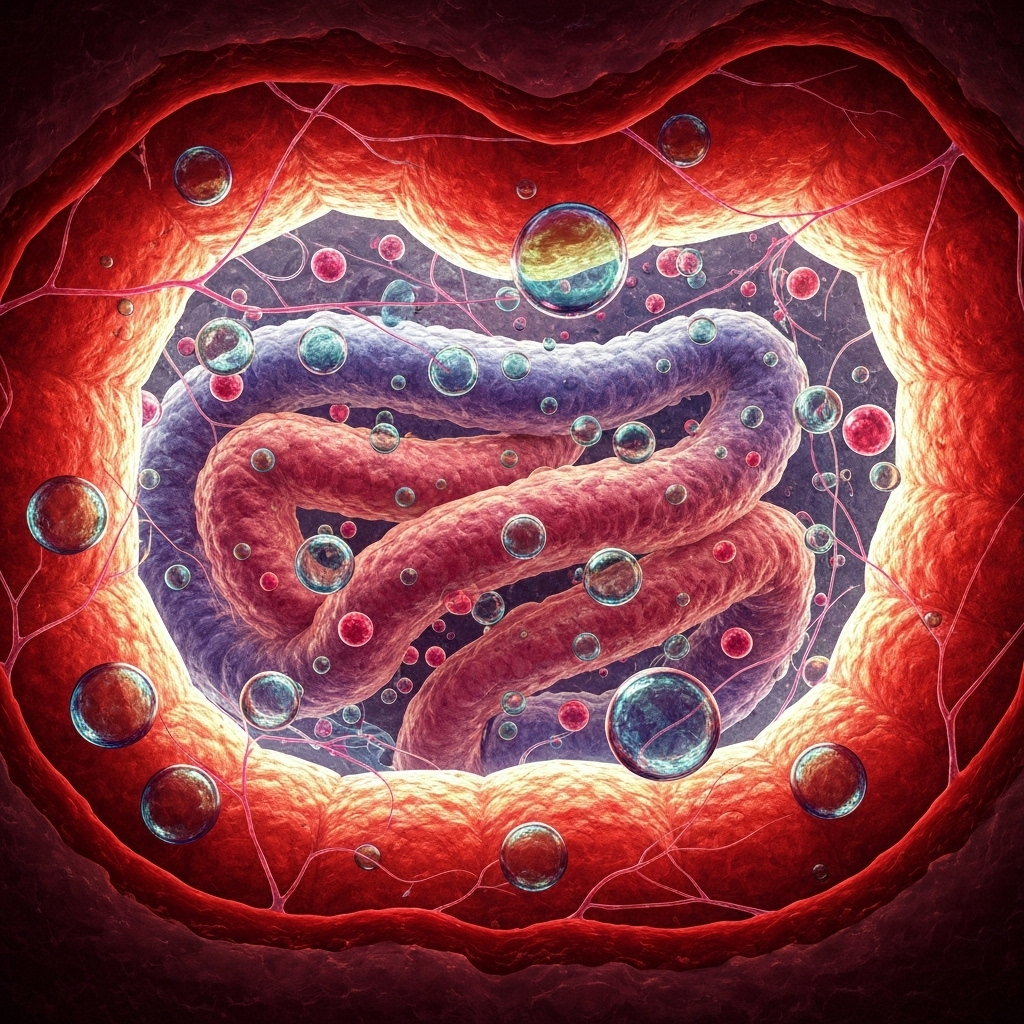
The bloating you feel is a direct result of processes happening inside your digestive tract. Your gut microbiome, the community of gut bacteria living in your intestines, is at the center of it all. When you eat certain foods, these bacteria get to work breaking them down, but sometimes the byproducts cause discomfort.
This is especially true for foods high in FODMAPs, a group of carbohydrates that are poorly absorbed. Your digestive enzymes may struggle to break them down, leaving the job to your gut bacteria. We'll explore how this fermentation process, along with other factors, leads to bloating.
The Role of FODMAPs and Fermentation
FODMAPs are a major player in the world of bloating. The acronym stands for Fermentable Oligosaccharides, Disaccharides, Monosaccharides, and Polyols. These are short-chain carbohydrates that the small intestine has trouble absorbing. Foods like wheat, onions, garlic, and certain fruits are high in FODMAPs.
Because they aren't absorbed, these carbs travel to the large intestine, where they become food for your gut bacteria. This kicks off a process called fermentation. While fermentation is a normal and necessary function of your digestive system, a high load of FODMAPs can cause rapid fermentation, producing excess gas.
This gas expands the intestines, leading to the pain and pressure associated with bloating. Even beneficial bacteria contribute to this process. For individuals with sensitive systems, a diet lower in FODMAPs can provide significant relief. Meal prep can help manage a low-FODMAP diet by ensuring meals are made with gut-friendly ingredients.
Sodium’s Impact on Water Retention
Unlike gas-related bloating, the puffiness caused by sodium is all about fluid balance. Your body works hard to keep the concentration of sodium in your blood within a narrow range. When you eat a high-sodium meal, your body holds onto water to dilute the extra salt.
This response throws off your natural fluid balance, leading to water retention. You might notice this as swelling in your hands and feet, or as a general feeling of being puffy and bloated. This excess water can make you feel heavy and uncomfortable, even if your digestive tract is functioning normally.
Processed foods, canned goods, and restaurant meals are often packed with sodium. To reduce this type of bloating, focus on fresh, whole foods and check labels for sodium content. Drinking plenty of water can also help your body flush out the excess sodium and restore its fluid balance. Avoiding these high-sodium foods is a key part of planning meals to reduce bloating.
The Link Between Gut Microbes and Gas Production
Your gut microbiome is a complex ecosystem of trillions of microorganisms, including many types of good bacteria. These microbes are essential for your health, as they help digest food, produce vitamins, and support your immune system. A key part of their job is breaking down components of food that your body can't, like certain fibers.
A natural byproduct of this digestive process is gas production. In most cases, this is a normal, healthy process that goes unnoticed. However, when you suddenly increase your fiber intake or eat foods that are particularly fermentable, the gut bacteria can produce more gas than usual.
This increase in gas production can stretch the walls of your digestive tract, causing bloating and discomfort. Supporting your gut with a balanced diet helps maintain a healthy gut microbiome, which can lead to more efficient digestion and less excessive gas. Meal prep supports this by providing consistent, balanced nutrition that doesn't overwhelm your system.
Beginner’s Guide to Beating Bloat with MacroFoods.ca Meals
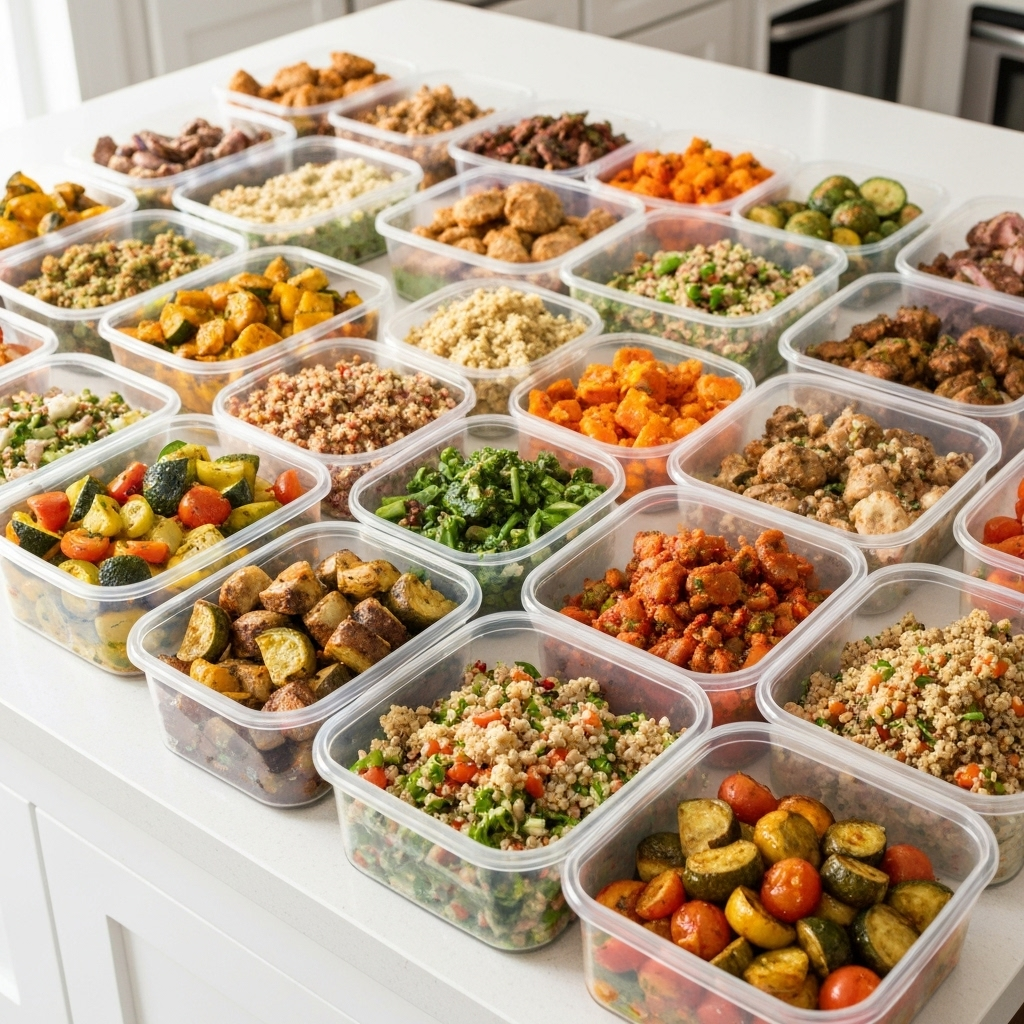
Ready to say goodbye to bloating for good? Building a bloat-free diet doesn't have to be complicated or time-consuming. With MacroFoods.ca, you can get delicious, healthy meals delivered right to your door, taking all the guesswork out of planning. Our chef-crafted meal plan is designed to support your gut health.
Creating a weekly meal plan with our service ensures you get balanced, properly portioned meals that are free from common bloating triggers. Let's walk through how you can get started on your journey to better digestive comfort.
What You’ll Need to Get Started: Meal Prep Basics
Starting a new eating plan can feel overwhelming, but the beauty of a meal prep delivery service like MacroFoods.ca is that we handle the hard parts for you. The "basics" are already included in every meal we deliver. You don't need to spend hours shopping, chopping, and cooking.
Our meals are built on a foundation of bloat-friendly ingredients. Here’s what a typical balanced meal from MacroFoods.ca looks like:
A high-quality source of lean protein, like grilled chicken breast.
A complex carbohydrate for sustained energy, such as brown rice or quinoa.
A generous portion of easily digestible vegetables.
Healthy fats that support nutrient absorption.
We take the concept of meal prep and perfect it. You get all the benefits of a planned diet—consistency, portion control, and balanced nutrition—without any of the work. Just choose your favorite healthy meals and healthy snacks from our menu, and you're ready to go.
Choosing the Right Ingredients for Gut Health
When your goal is to beat the bloat, the ingredients you choose matter immensely. Some foods actively soothe the digestive system, while others provide the right kind of fiber and nutrients to support long-term gut health. At MacroFoods.ca, our chefs are experts at selecting these powerhouse ingredients.
Here are some of the gut-friendly ingredients you should look for in bloat-free meal prep, many of which are featured in our meals:
Lean Proteins: Chicken, turkey, and fish are easier to digest than red meat.
Soothing Carbs: Sweet potato and brown rice provide energy without causing gas.
Healthy Fats: Olive oil and avocado aid in nutrient absorption.
Gentle Fibers: Chia seeds and well-cooked vegetables support regularity.
Hydrating Greens: Spinach and mixed greens are packed with fiber and water.
Dairy Alternatives: Almond milk can be a great choice in smoothies or breakfast bowls.
By focusing on these types of ingredients, our meals are designed to be both delicious and gentle on your stomach. You can trust that every dish is crafted to promote digestive wellness and help you feel your best.
Step-by-Step: How to Build an Anti-Bloating Meal Plan in Ontario
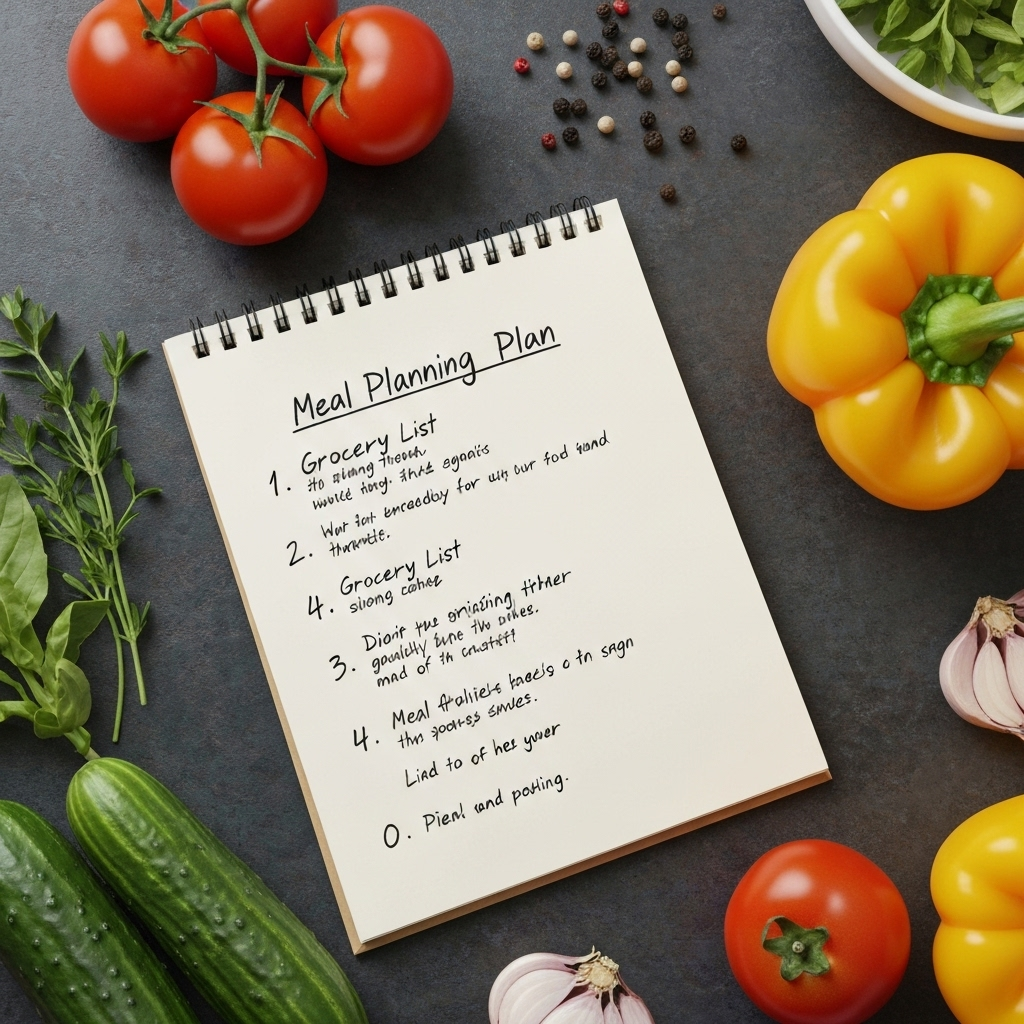
Creating a weekly meal plan is one of the most effective ways to manage digestive issues and support gut health. It ensures you consistently eat balanced meals with healthy fats and lean proteins. Instead of spending your weekend at a health food store in Waterloo, you can build your entire plan online with MacroFoods.ca.
Our Meal Prep delivery Canada service makes it simple. Just follow these steps to design an anti-bloating meal plan that fits your lifestyle and tastes, delivered right to your home anywhere in Ontario.
Step 1: Identify and Eliminate Common Bloating Triggers
The first step toward a bloat-free life is figuring out what's causing the problem. While triggers can be unique to you, there are several common culprits that cause digestive issues for many people. These include foods high in FODMAPs, lactose, or gluten.
Start by paying attention to how you feel after eating certain foods. You might notice that dairy products consistently leave you feeling gassy, or that large portions of red meat feel heavy in your stomach. For those with gluten sensitivity or celiac disease, wheat-based products are a definite trigger.
Here is a table of common triggers and why they might cause bloating:
Food Group Trigger | Reason for Bloating |
|---|
Dairy Products | Lactose intolerance; the body cannot digest the sugar in milk. |
Legumes (Beans, Lentils) | High in fiber and FODMAPs, leading to gas from fermentation. |
Cruciferous Veggies | Contain raffinose and high fiber, which can be hard to digest. |
Gluten (Wheat, Barley) | Can cause inflammation and bloating for those with gluten sensitivity or celiac disease. |
High-Sodium Foods | Cause the body to retain water, leading to a puffy, bloated feeling. |
Red Meat | Higher in fat and harder to digest than lean proteins, slowing down digestion. |
By identifying your personal triggers, you can start making smarter choices and select MacroFoods.ca meals that avoid them.
Step 2: Select Bloat-Friendly MacroFoods.ca Meals
Once you know your triggers, the fun part begins: choosing your meals! Navigating the MacroFoods.ca menu is an easy way to find delicious, bloat-friendly options. Our chefs have already done the work of creating balanced, healthy meals that are gentle on your digestive system.
Look for dishes that feature ingredients known to support good digestion. Here are some great meal prep ideas to look for on our menu:
Meals centered around lean protein like grilled chicken or fish.
Dishes that include easily digestible carbohydrates like brown rice or sweet potatoes.
Options with plenty of cooked vegetables instead of raw ones.
Meals seasoned with herbs and spices instead of high-sodium sauces.
Lighter fare that won't leave you feeling overly full.
Exploring the menu on macrofoods.ca allows you to see the full ingredient list for every dish, giving you complete control over what you eat. You can easily build a diverse and satisfying menu that keeps bloating at bay.
Step 3: Plan Your Weekly Menu for Consistency
Consistency is crucial when you're trying to improve your digestive health. A weekly meal plan helps you stay on track, ensuring you nourish your body with the right foods every day. This regularity supports a healthy gut, promotes regular bowel movements, and can even aid in weight loss.
With MacroFoods.ca, planning your weekly menu is effortless. You can select your meals for the entire week in just a few minutes. Here are some tips for building a consistent plan:
Choose a variety of meals to keep things interesting and ensure a wide range of nutrients.
Schedule your delivery for the beginning of the week so you're always prepared.
Stick to your planned meals to avoid impulsive, less-healthy choices.
Notice how you feel throughout the week and adjust your next order accordingly.
This structured approach removes the daily stress of deciding what to eat and helps you build healthy habits. A consistent, gut-friendly diet is one of the best things you can do for your overall well-being.
Step 4: Prep Snacks and Sides That Soothe Digestion
While MacroFoods.ca covers your main meals, having healthy snacks on hand is important for managing hunger and energy levels between meals. Prepping your own snacks ensures you avoid the processed, high-sodium options that can trigger bloating.
Focus on simple, whole-food snacks that are easy on your digestive system. Here are a few ideas for healthy snacks that won't leave you feeling bloated:
A handful of berries, which are high in water and gentle fiber.
Cucumber or carrot sticks for a hydrating, crunchy snack.
A small portion of almonds with a piece of fruit.
A hard-boiled egg for a lean protein boost.
Rice cakes topped with a thin layer of almond butter.
You can also make simple energy bites with oats, chia seeds, almond butter, and a touch of maple syrup. These snacks help you manage your fiber intake throughout the day and contain natural digestive enzymes that support your gut.
Step 5: Stay Hydrated and Practice Mindful Eating Habits
What you drink is just as important as what you eat. Proper hydration is essential for preventing water retention and maintaining a healthy fluid balance. Drinking enough water helps your body flush out excess sodium, which is a common cause of bloating. Aim to sip water throughout the day, and consider adding a splash of lemon juice or enjoying a cup of herbal or green tea.
Beyond hydration, how you eat can make a big difference. One of the most common mistakes people make is eating too quickly. When you rush through a meal, you swallow more air, which leads to gas and bloating. Practicing mindful eating encourages you to slow down, chew your food thoroughly, and pay attention to your body's hunger and fullness cues.
This simple habit improves digestion and helps prevent overeating, another contributor to discomfort. By combining a well-planned diet with hydration and mindful eating, you create a powerful strategy for beating the bloat for good.
MacroFoods.ca’s Top Anti-Bloating Meal Picks
Yes, there are fantastic professional meal delivery options for bloat-free eating, and MacroFoods.ca is a leader in providing them. We take the guesswork out of finding anti-bloating meals by offering a menu full of delicious, chef-prepared healthy meals. Our dishes are designed for digestive comfort, focusing on lean protein and wholesome ingredients.
Ready to find your new favorite meal? Here are a few of our top picks that are loved by customers for being both flavorful and gentle on the gut. These options make it easy to enjoy satisfying food without worrying about the bloat.
Shawarma Spiced Turkey: Lean Protein, No Hidden Bloat
If you're looking for a meal that's both satisfying and easy on your stomach, our Shawarma Spiced Turkey is a perfect choice. This dish features high-quality lean protein from turkey, which is significantly easier for your body to digest compared to red meats. This means you get the protein you need without the heavy feeling.
Our chefs expertly season the turkey with a blend of aromatic shawarma spices that deliver incredible flavor without relying on high-sodium additives. These healthy meals are packed with essential nutrients that support not only your digestive system but also your overall heart health.
By focusing on clean ingredients, this dish provides a delicious way to fuel your body. The spices used can even contain compounds that support the body's natural production of digestive enzymes, making it a truly smart choice for anyone looking to avoid bloat.
Penne Bolognese: Wholesome Veggies Without FODMAP Overload
Craving a classic comfort dish without the digestive consequences? Our Penne Bolognese reimagines a timeless recipe to be gut-friendly. We create a rich, savory sauce using wholesome veggies that are carefully selected and prepared to minimize their FODMAP content, making this meal a good choice for sensitive stomachs.
Many traditional Bolognese sauces are heavy and can be tough on the digestive tract. Our version is lighter but still packed with flavor, using lean ground meat and a balanced mix of vegetables that support gut health rather than disrupt it. This is a simple recipe, perfected by our chefs.
You can finally enjoy a hearty pasta dish that nourishes your body and leaves you feeling great. It’s the perfect example of how classic comfort food can be transformed into a bloat-free meal that supports your wellness goals.
Ancho Chipotle Chicken: Balanced Flavors for Digestive Comfort
For those who love a bit of smoky, spicy flavor, our Ancho Chipotle Chicken delivers an exciting taste experience designed for digestive comfort. This dish features tender grilled chicken seasoned with a balanced blend of ancho and chipotle peppers, providing a rich flavor profile that's not overwhelmingly hot.
This simple recipe is more than just delicious; it's also packed with health benefits. The peppers offer a source of antioxidants, while the meal is balanced with healthy fats that help your body absorb nutrients and support overall wellness. The combination of lean protein and anti-inflammatory spices makes it an excellent choice for an active lifestyle.
Unlike many heavily sauced dishes that can cause digestive upset, our Ancho Chipotle Chicken is crafted to be light yet satisfying. It’s proof that you don’t have to sacrifice bold flavors for a happy gut.
Conclusion
In summary, understanding the foods that can cause bloating is essential for maintaining digestive comfort. By recognizing sneaky culprits like cruciferous vegetables, legumes, and sugar alcohols, you can take proactive steps to eliminate discomfort from your meals. Thankfully, with MacroFoods.ca’s expertly crafted meal options like Shawarma Spiced Turkey and Penne Bolognese, you can enjoy delicious dishes while avoiding hidden bloat triggers. Implementing an anti-bloating meal plan not only improves your digestion but also enhances your overall well-being. Don't let bloating hold you back; sign up today to explore our menu and reclaim your digestive comfort!
Frequently Asked Questions
Which foods should I avoid to reduce bloating in my meal prep?
To reduce bloating, it's often helpful to limit cruciferous vegetables, legumes, and dairy products. Also, be mindful of foods high in sugar alcohols and sodium. If you have a gluten sensitivity, avoiding wheat is key. Focusing on lean proteins and easily digestible carbs can make a big difference.
Are MacroFoods.ca meals suitable for sensitive stomachs or low-FODMAP diets?
Our meals are designed by chefs to be balanced and support gut health, making them great for many with sensitive stomachs. While not strictly low-FODMAP, we offer many options that avoid common triggers. For a specific low-FODMAP meal plan, we recommend consulting a registered dietitian to tailor choices from our menu to your digestive tract needs.
What snacks can I prep to avoid feeling bloated between meals?
Great healthy snacks to avoid bloating include fresh berries, cucumber slices, or a small handful of almonds. A rice cake with almond butter is another excellent option. These choices have a manageable fiber content and some, like fresh fruit, contain natural digestive enzymes that can help prevent discomfort.
How do I modify my favorite meals to make them digestion-friendly?
Making simple ingredient swaps is an easy way to make meals digestion-friendly. Use olive oil for healthy fats, replace white rice with brown rice for better fiber, and choose lean protein like chicken over red meat. These small changes can significantly reduce the likelihood of bloating after a meal.